Overview and Importance of Engine Bracket Die Castings
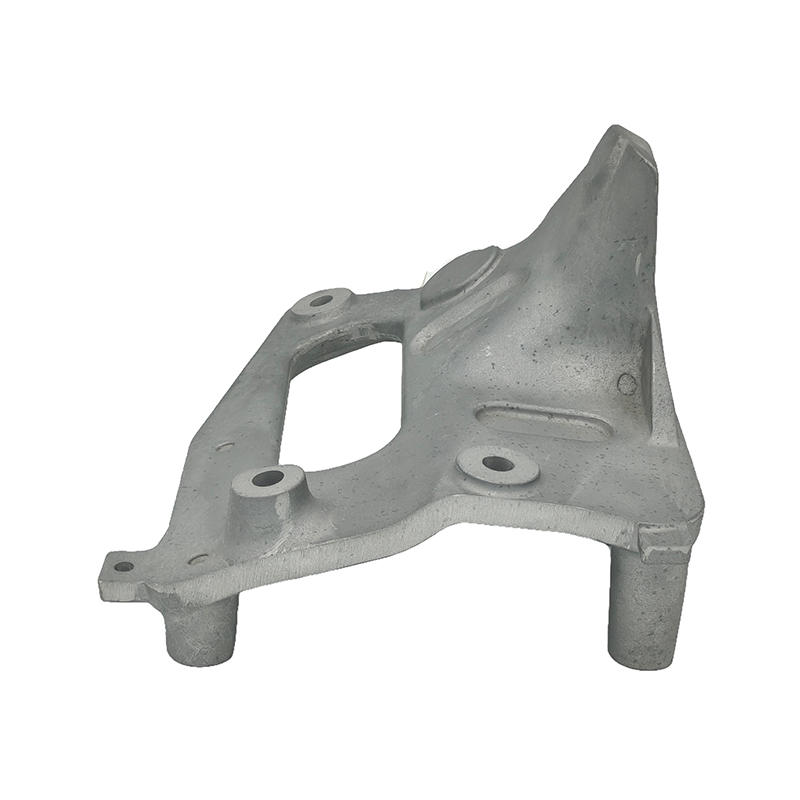
Engine Bracket Die Castings are metal parts manufactured by die casting, mainly used to support and fix engines and related parts. Since the engine needs to withstand high temperature, vibration, impact and other extreme working conditions, bracket castings need to have excellent strength, stability and durability.
Most of these castings are made of aluminum alloy, magnesium alloy, zinc alloy and other materials. These materials are not only light in weight, but also can withstand high loads and have good heat dissipation, which can effectively solve the problem of heat generated by the engine during operation. The metal is injected into the precision mold through the die casting process to ensure that each casting has high precision and complex geometry, and can be mass-produced in a short time.
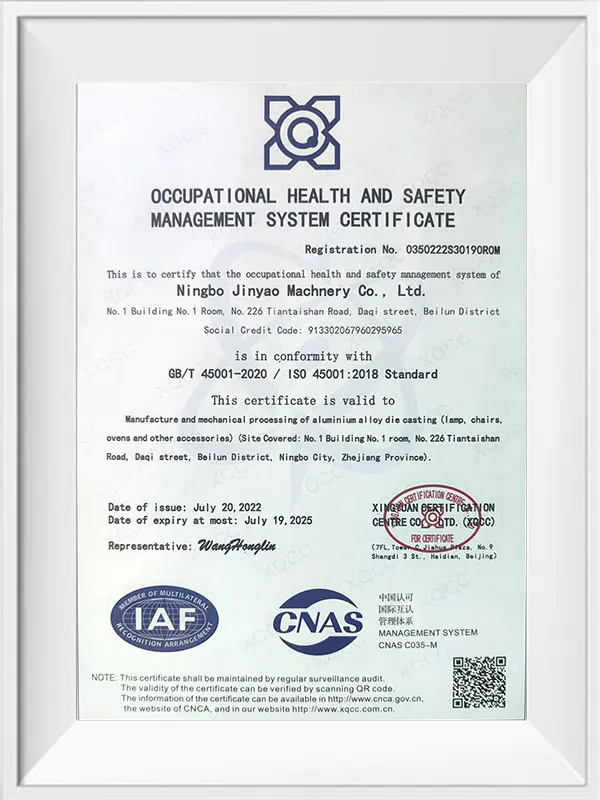
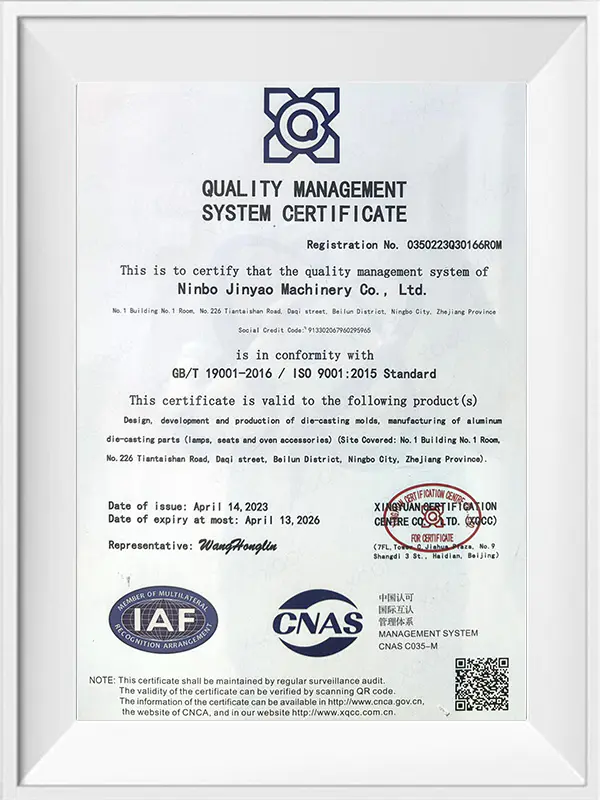
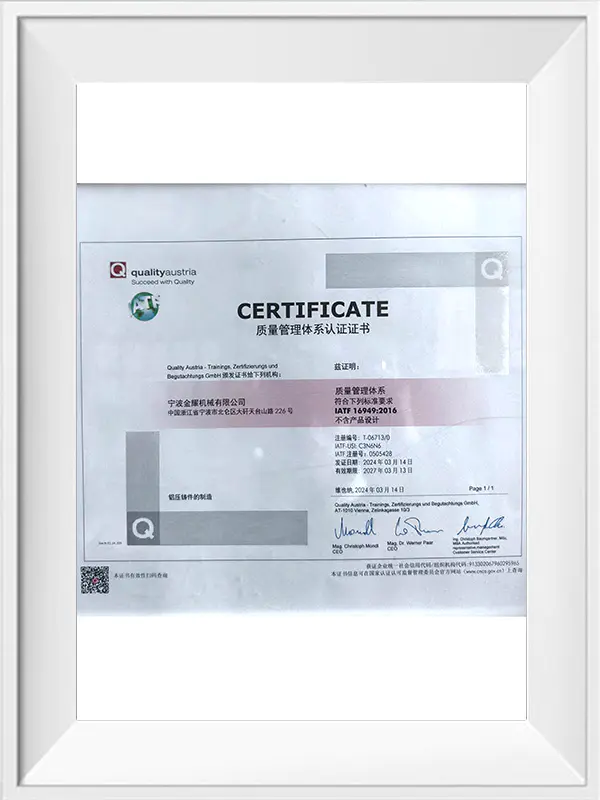
Ningbo Jinyao Machinery Co., Ltd., with its strong mold design and manufacturing capabilities, can provide customers with high-quality and high-precision Engine Bracket Die Castings products to meet the application needs of various industries.
Application fields and functions of Engine Bracket Die Castings
Engine Bracket Die Castings are widely used in many industries, especially in automobiles, motorcycles, aerospace and industrial equipment. Its main function is to support and fix the engine to ensure that the engine does not move or damage during operation. The following are the main applications of these castings:
1. Automobile industry: Engine Bracket Die Castings are crucial in automobile manufacturing. They not only support the engine, but also need to withstand the vibration and heat generated when the engine is working. Aluminum alloy and magnesium alloy materials have become the preferred materials for automotive Engine Bracket Die Castings due to their light weight and excellent heat dissipation.
2. Motorcycle industry: The requirements for motorcycle engine brackets are similar to those for automobiles, but due to the small size and light weight of motorcycle engines, bracket castings often need to have higher strength and impact resistance. Aluminum alloy castings are widely used in the motorcycle industry to ensure the stability and performance of the engine.
3. Aerospace industry: Aircraft engine brackets usually use magnesium alloys and high-strength aluminum alloys, which can not only withstand extreme temperatures, but also have excellent heat dissipation capabilities. Aircraft engine brackets are required to work stably under high temperature and high pressure environments.
4. Industrial equipment: For example, heavy machinery and equipment such as generator sets, Engine Bracket Die Castings need to ensure stability and durability under high loads. The high strength and complex design of castings ensure the efficient operation of these equipment.
Through the customized services provided by Ningbo Jinyao Machinery Co., Ltd., customers can choose different materials and designs according to their needs to ensure that castings have the best performance in specific applications.
Technological innovation and future development trends
With the continuous advancement of industrial technology, the manufacturing process and materials of Engine Bracket Die Castings are constantly innovating. Here are several major technology trends that will drive the future development of Engine Bracket Die Castings:
1. Precision mold design and optimization: Ningbo Jinyao Machinery Co., Ltd. has a highly skilled design team. Through mold flow analysis, it can predict the flow state of aluminum liquid during the casting process during the mold design stage, identify potential quality problems, and thus optimize the mold structure, avoid defects, and improve the overall quality of the casting.
2. New aluminum alloy and magnesium alloy materials: In order to further improve the performance of Engine Bracket Die Castings, modern manufacturers are constantly exploring new alloy materials, especially high-strength aluminum alloy and magnesium alloy materials, which are not only lightweight, but also have excellent high temperature resistance and corrosion resistance, which can effectively improve the strength and heat dissipation performance of castings.
3. Combination of 3D printing technology and casting process: 3D printing technology is gradually being applied to mold manufacturing and casting production, enabling more complex design and precision manufacturing. Through 3D printing, production costs can be reduced, development cycles can be shortened, and mold accuracy can be guaranteed.
4. Green and environmentally friendly casting: With increasingly stringent environmental regulations, foundry companies are committed to improving processes, adopting green and environmentally friendly casting materials and low-energy production technologies. Ningbo Jinyao Machinery Co., Ltd. has improved production processes, implemented low-pressure casting and used recyclable materials to reduce environmental pollution, in line with global environmental protection trends.
5. Structural optimization and lightweight: The design of modern Engine Bracket Die Castings is moving towards lightweight. By optimizing the internal structure of the casting, reducing unnecessary material use, further reducing the weight of the overall system, improving fuel efficiency, and adapting to future high-efficiency and environmental protection needs.

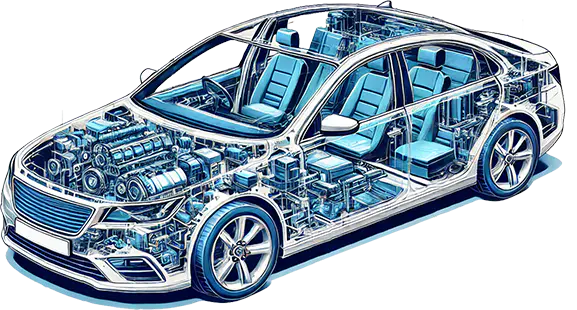
 Tradycyjne odlewy do matrycy samochodowej
 Nowe odlewy z samochodami energetycznymi
 Komunikacja Castings Die Castings
 Elektryczne odlewy matrycy
 Rowerowe odlewy motorowe
 Akcesoria motocyklowe umierają odlewy
 Odlewy motorowe obudowy
 Odlewy matrycy inżynierii
 Odlewy do śmierci oświetlenia
 Odlewy matrycy silnikowe na zewnątrz
 Akcesoria meblowe umierają odlewy
 Akcesoria grillowe Casting
 Odlewy fotowoltaiczne falownika

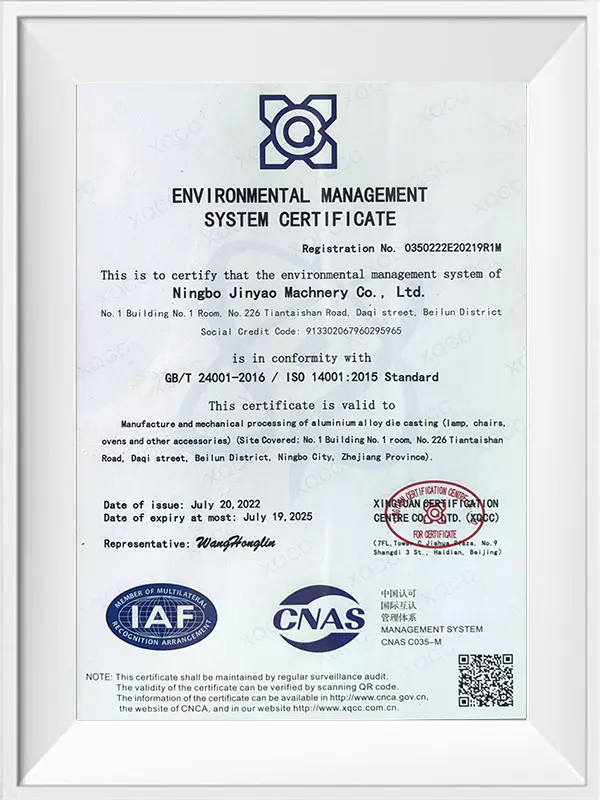
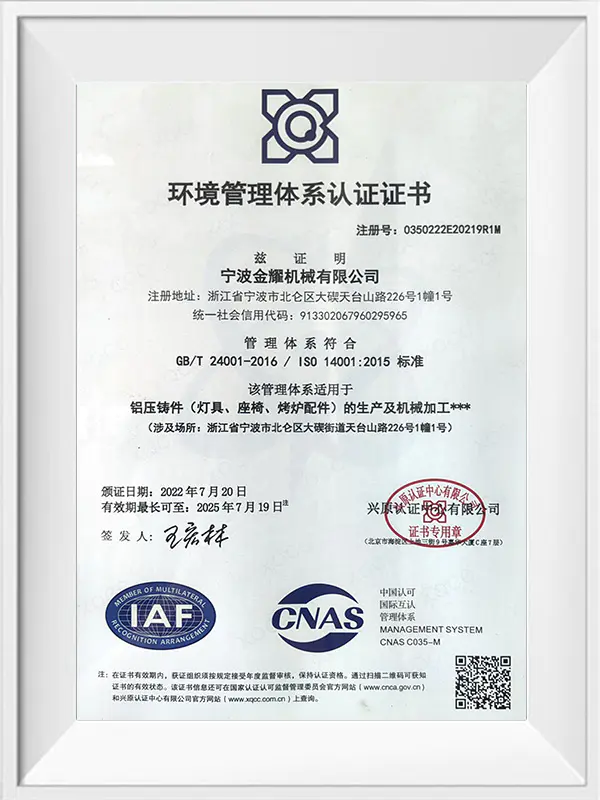


 1 Budynek nr 1 nr 226. Tiantaishan Road, Daqi Street. Beilun District, Ningbo City, prowincja Zhejiang, Chiny
 +86-15967858563

